By clicking “Accept All Cookies”, you agree to the storing of cookies on your device to enhance site navigation, analyze site usage, and assist in our marketing efforts. View our Privacy Policy for more information.
Strength Training and Power for Older Adults: Why Both Matter for Healthy Aging
The importance of Strength Training and Power for Older Adults
By
July 14, 2026
Related

Lots happen as you age, and one of the more critical changes is loss of muscle mass-a process that starts in your 30s and 40s and accelerates the older you get. Unless you do something about it. Whether you are a weekend warrior or someone looking to improve your health, strength and power are essential for functioning independently, enhancing your athletic performance, and recovering more quickly from injury.
Understanding the difference between strength and power can help older adults maintain mobility, independence, and quality of life. Remember: it is never too late to gain strength and power, and we will tell you how and why you need both.
Why Does Strength and Power Decline as You Age?
- The decline in strength as you age is due in part to muscles becoming less responsive to protein intake. The body requires higher amounts of amino acids to build muscle.
- Hormones decline for both sexes, and women in particular experience a drop in estrogen and testosterone during perimenopause and menopause.
- There is a natural nerve and fiber deterioration that can lead to the loss of fast-twitch muscle fibers necessary for quick, forceful movements.
- Declining activity accelerates the loss of strength and power.
- Slower communication between the brain and muscles.
- Power declines even faster than strength as you age.
What is Strength?
Strength is the ability to exert maximum force against resistance.
Everyday examples can include:
- Lifting and Carrying: picking things up, carrying groceries, going up and down stairs, etc.
- Transitioning and Posture: getting out of bed or out of a chair, getting in and out of a car, getting up after a fall.
- Pushing and Shoving: pushing a lawnmower, opening doors, and drawers.
- Reaching and Lifting: Storing items on high shelves, doing housework and lawn care, shoveling snow, and doing household maintenance.
- Hiking, biking, and climbing.
What is Power?
Power is the ability to exert force as quickly as possible. Examples include:
- Recovering from a trip or stumble
- Climbing stairs
- Crossing a street before the light changes
- Reacting quickly to maintain balance
- Tennis, golf, martial arts, and running
Benefits of Strength Training for Older Adults
Strength training requires consistent and progressive overload to counteract muscle loss and build muscle mass. At Pure Fitness, our coaches approach strength training with these principles in mind: Safety, proper technique, and gradual improvement.
Physical Benefits
Increased Muscle Mass
- Helps counteract age-related muscle loss
- Can accelerate recovery from an injury
Improved Bone Health
- Supports bone density
- May reduce osteoporosis risk
Better Joint Function
- Supports healthy movement
Improved Metabolic Health
- Better blood sugar control
- Supports weight management
Emotional Benefits
- Greater confidence
- Improved mood
- Enhanced quality of life
The Benefits of Power Training
There are few ways to enhance or improve power in everyday life. That’s why you need a dedicated program to increase and improve your power. CrossFit and individual training are the perfect ways to get you there by working with qualified coaches or fitness professionals who understand the unique needs of older adults.
Improved Balance and Fall Prevention
- Faster reaction times
- Better ability to recover from slips and trips
Better Functional Fitness
Everyday Activities Become Easier
- Rising from a chair
- Climbing stairs
- Carrying objects
- Engaging in preferred recreational and athletic activities
Increased Independence
- Supports aging in place
- Helps maintain mobility longer
- Improves confidence
Safe Ways Older Adults Can Build Strength and Power
At Pure Fitness, we offer several programs to fit your needs and goals. These are some examples of exercises that build strength and power.
Strength Training Exercises
Examples
- Squats
- Deadlifts
- Lunges
- Resistance band exercises
- Push ups
- Pull ups
- Bench presses
Frequency
- Two to three sessions per week is optimal.
Power-Focused Exercises
Examples
- Sit-to-stand exercises performed with speed
- Box jumps
- Step-ups
- Medicine ball throws
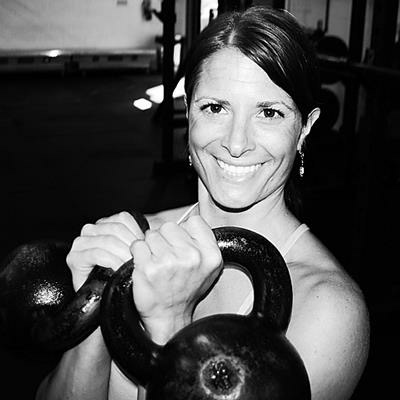
- Controlled kettlebell movements
- Faster concentric movements during resistance exercises
Frequency
- Two to three sessions per week is optimal.
How Group Fitness and Coaching Can Help You Gain Strength and Power
Benefits of Professional Guidance
- Proper exercise selection for your current fitness level
- Individualized scaling
- Proper technique with continuous safety instruction
- Ongoing accountability
Community Matters at The Gym
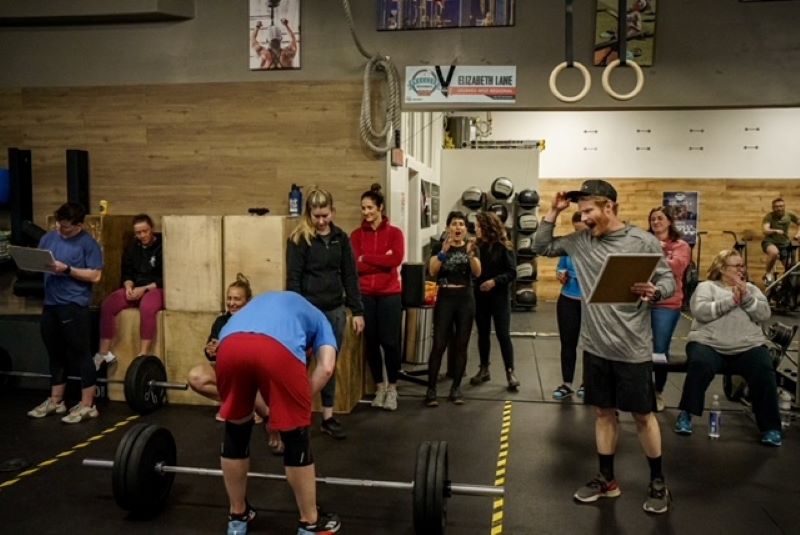
- Encouragement from peers provides support and motivation
- Community increases consistency
- Working out with others is fun, which is self-reinforcing
Key Takeaways
A well-designed fitness program at Pure Fitness can help older adults improve both strength and power regardless of their starting point.
- Strength and power are both essential for healthy aging.
- Power often declines faster than strength and plays a critical role in balance and fall prevention.
- Regular resistance training can improve muscle mass, mobility, confidence, and independence.
- Working with qualified coaches and fitness professionals who understand the unique needs of older adults will yield greater results.
- Small improvements today can help you stay active, independent, and confident for years to come.
- It's never too late to begin building strength and power.