By clicking “Accept All Cookies”, you agree to the storing of cookies on your device to enhance site navigation, analyze site usage, and assist in our marketing efforts. View our Privacy Policy for more information.
CrossFit: How Functional Fitness & Strength Training Contribute to the Things You Love Outside the Gym
Crossfit & Strength Training
By
April 14, 2026
Related

The idea of “functional training” is having a moment, and one that is destined to endure. Of all the fitness trends that have come and gone, functional training focuses on movements that mimic what you naturally do in a day, and CrossFit at Pure Fitness is designed to do just that. Functional training is embedded in physical therapy and athletic training, and can make you stronger, less prone to injury, and better able to tackle life outside the gym.
How Functional Fitness Translates to Real-Life Situations
The physical demands of daily life can sometimes go unnoticed until you have an injury or illness, or gradual deconditioning starts to interfere with your ability to do what you need and want to do. Here are some examples of daily functional tasks.
Activities of Daily Living. (ADLs)
ADLs are the skills necessary to function independently. They include bathing, dressing, eating, general mobility, and personal hygiene.
Instrumental Activities of Daily Living. (IADLs)
IADLs include driving, shopping, home maintenance and cleaning, laundry, etc.
Child Care
Child care requires bending, squatting, lifting, running, crouching, and crawling.
ElderCare
If you are currently helping take care of an aging parent or grandparent, chances are you will at some point. Taking care of an older adult involves lifting, bending, reaching, pushing, and pulling.
Athletic Pursuits
For many people, exercise in one form or another is an integral part of life. Examples include weightlifting, swimming, biking, hiking, tennis, running, pickleball, and golf.
What Are the Components of Functional Training Through CrossFit?
Functional training is a style of exercise that focuses on movements that mimic real-life daily activities, such as pushing, pulling, squatting, bending, and rotating. Varying the exercises over time, you will become stronger, healthier, and more flexible.
Key principles:
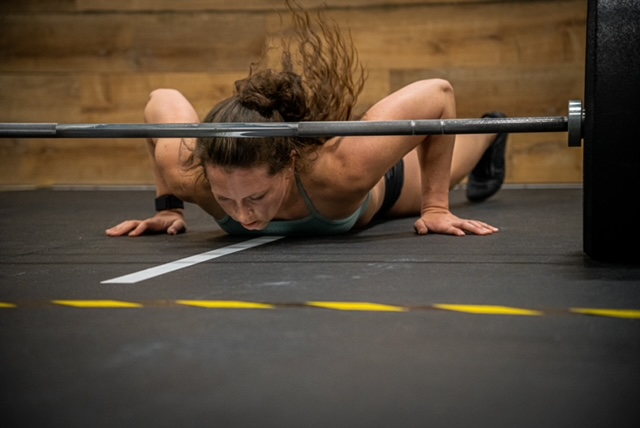
- Multi-joint movements — exercises like deadlifts, squats, pull-ups, push-ups, and rows — engage multiple joints and muscles simultaneously while elevating your heart rate.
- Core engagement — almost every functional movement requires core stability as a foundation.
- Balance and coordination — trains your nervous system, not just your muscles. Balance training enhances proprioception (the body's ability to sense its position in space), leading to faster reaction times and reduced risk during physical activity. Proprioception decreases with age, which can increase the risk of falls.
- Transferability — the goal is better performance in daily life, sports, and work
Benefits of Functional Training Through CrossFit
The key health impacts of variable functional exercise include:
- Improved Daily Functionality: By strengthening muscles for tasks such as lifting, bending, and reaching, this approach enhances overall quality of life, particularly as you age.
- Enhanced Mobility and Balance: Functional training strengthens stabilizers and improves coordination, reducing the risk of falls and enhancing movement efficiency.
- Preventing Injuries: Functional training prepares the body for unexpected movements and loads, reducing the risk of injury in and out of the gym.
- Improved Body Composition: It promotes increased muscle endurance and efficient calorie burning.
- Mental Well-being: Regular functional exercise can reduce anxiety, stress, and depression while improving mood.
- Elevated Heart Rate: Functional training movements elevate your heart rate, improving cardiovascular health.
- Faster Recovery After Injuries: Being fit offers better muscular support for joints, and a body already adapted to repair physical stress.
The Nitty Gritty: The Best Way to Approach Functional Fitness
Using free weights has distinct advantages over machines for achieving functional fitness goals, and here’s why:
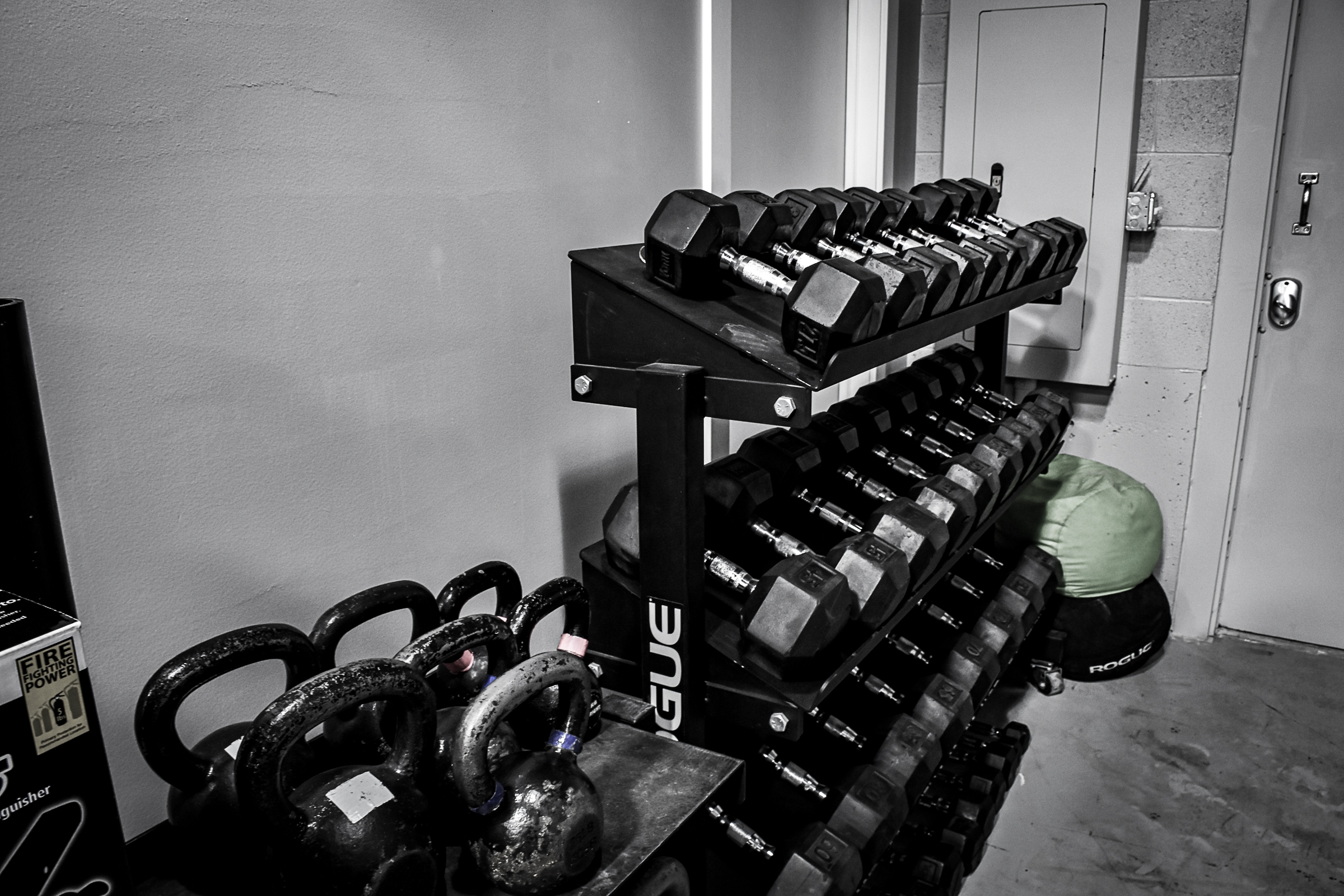
- Free weights require more stabilization from smaller muscles to control the weight. Machines restrict movement to a fixed path, isolating specific muscles.
- Free weights train your muscles to balance the weight (increasing functional strength).
- Free weights allow for a full, natural range of motion tailored to your body mechanics, which mimics real-life actions. Machines use a fixed range.
- Free weights are versatile and can be used for a variety of exercises in a small space, whereas machines are usually limited to a single exercise.
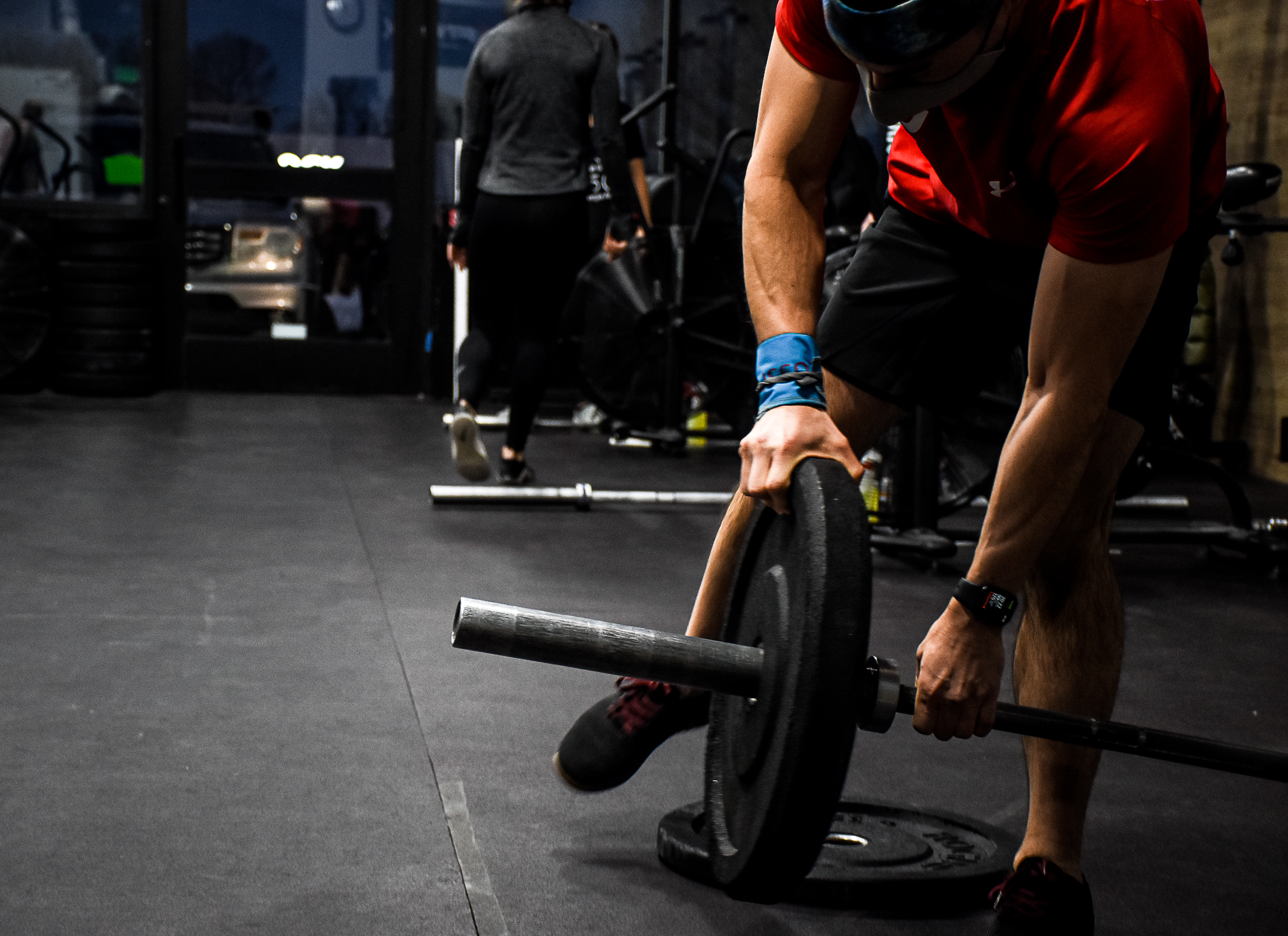
CrossFit focuses on using free weights and dynamic, variable-intensity movements to improve endurance, stamina, strength, flexibility, power, speed, coordination, agility, and balance.
Pure Fitness Can Help You Get Started
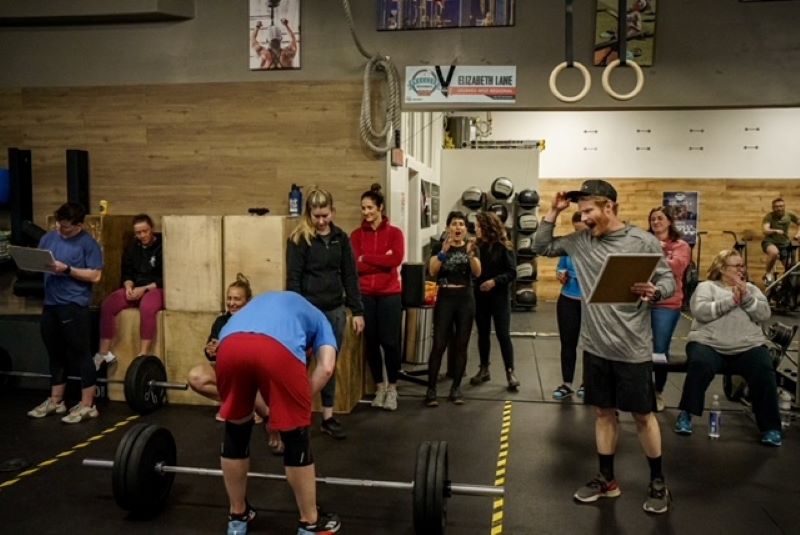
Embarking on a fitness journey can be daunting. At Pure Fitness, our coaches start where you are and ensure that you progress safely while getting stronger. When you work out with others, the support and encouragement can keep you motivated and committed.