By clicking “Accept All Cookies”, you agree to the storing of cookies on your device to enhance site navigation, analyze site usage, and assist in our marketing efforts. View our Privacy Policy for more information.
Building the Body That Carries You Through: How the CrossFit Methodology Can Help You With Perimenopause and Beyond.
Strength Training & Perimenopause
By
March 30, 2026
Related

Perimenopause is getting a lot of attention lately, and it’s about time. Historically, women have suffered through the symptoms of perimenopause with little idea about how to cope with what can be, for some, a time of significant stress. Now, we are beginning to understand that CrossFit can help women not only manage symptoms but also mitigate the physical impact of Perimenopause and improve overall health and well-being.
Symptoms of Perimenopause: What’s Happening to My Body?
Some women breeze through Perimenopause with little distress. But 85% or more women have symptoms that can be much more severe. Symptoms can include.
- Irregular periods. As ovulation becomes more unpredictable, the time between periods may be longer or shorter, your flow may be light to heavy, and you may skip some periods.
- Hot flashes. Many people have hot flashes during perimenopause. Hot flashes can vary in strength and duration.
- Sleep problems. Trouble sleeping is often due to hot flashes or night sweats, but not always. Changes in sleep patterns can happen in perimenopause even without hot flashes or night sweats.
- Mood changes. Feel like you are going out of your mind? You are not alone. Mood swings, irritability, symptoms of depression, and anxiety can occur during perimenopause.
- Vaginal and bladder problems. As estrogen levels drop, your vaginal tissues may become drier and less elastic, causing pain during sex. This dryness can also cause burning when you urinate, even if you do not have a urinary tract infection. It can also make you more likely to have urinary or vaginal infections.
- Decreasing fertility. As ovulation becomes less regular, it's harder to get pregnant. However, if you're having periods, pregnancy is still possible.
- Changes in sexual function. During perimenopause, libido may drop or increase. Sexual arousal and desire may change.
- Loss of bone. As estrogen levels lower, you start to lose bone more quickly than you replace it. This increases your risk of osteoporosis.
- Changing cholesterol levels. Less estrogen may lead to changes in your blood cholesterol levels that can increase your risk of heart disease.
CrossFit: Evidence-Based Intervention to Reclaim Your Body
If you have had strength training in the back of your mind for some time, or have been inconsistent in your training, the beginning of Perimenopause is the BEST time to get serious, and here’s why.
Estrogen Decline is the central driver behind:
- Bone density loss and increased fracture risk
- Muscle loss
- Slowed metabolism(which can lead to weight gain)
- Mood changes
- Fatigue
- Loss of libido
- Brain fog
What Kind of Strength Training Works
If this is all new to you, everyone starts in the same place. What can be helpful to know is what research shows are consistent principles of training. CrossFit classes are uniquely qualified to meet the conditions below. It is defined by constantly varied, high-intensity workouts that emphasize functional movements and high-intensity training.
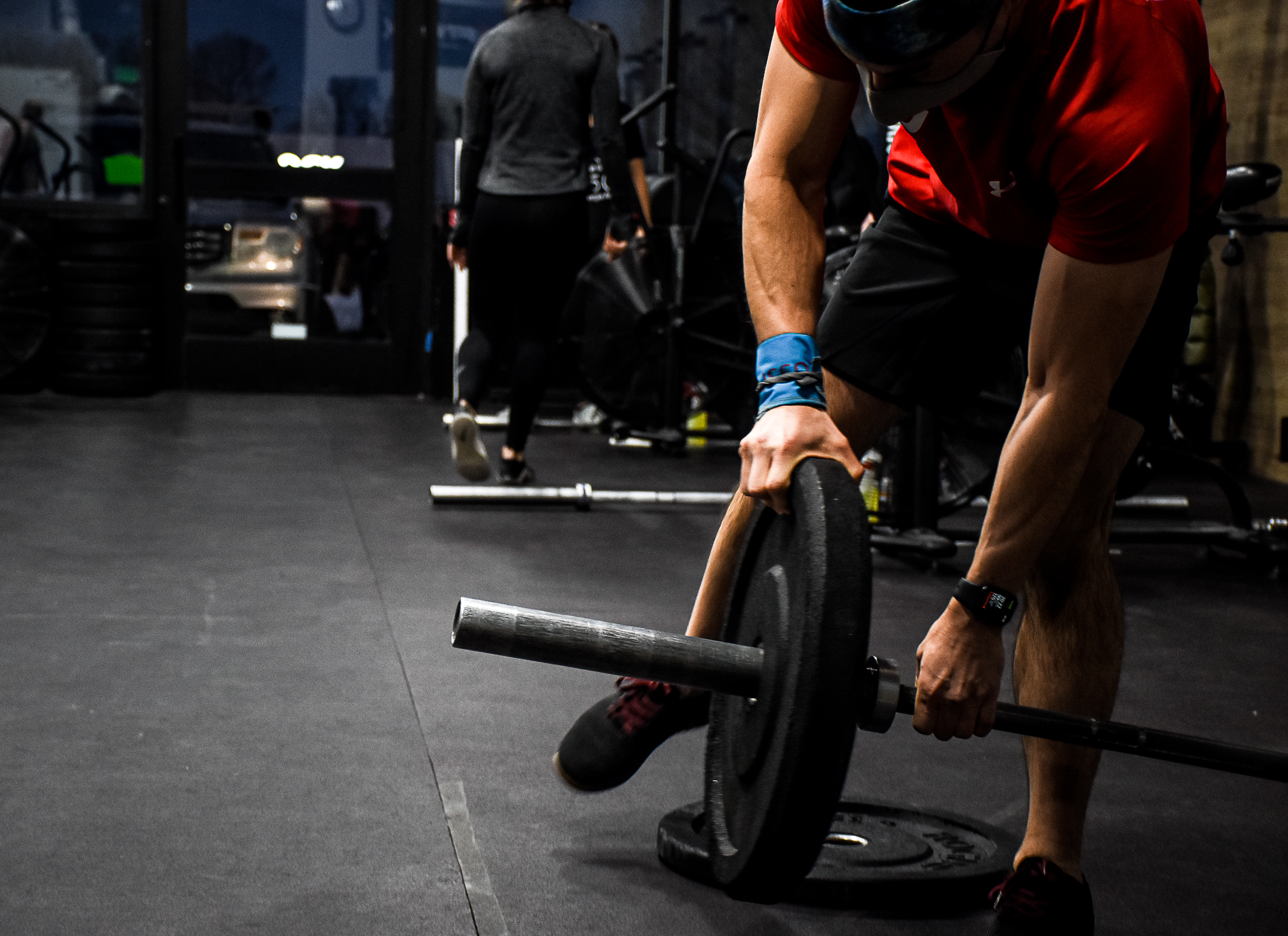
Progressive Overload. Progressive Overload simply means that the stimulus must change to sufficiently challenge the muscle to trigger adaptation. Or, in other words, make you stronger. Women typically avoid heavy lifting because they don’t know how to do it safely. (At Pure Fitness, we have you covered!) Progressive Overload is absolutely necessary to build bone and muscle.
Compound Movements. Examples of compound movements are squats, deadlifts, rows, hip hinges, box jumps, and presses. Otherwise known as functional movements.
Aerobic Training. You don’t have to go running or biking to get your heart rate up, but you can if you want to! The great thing about progressive overload with compound movements is that your heart rate will increase. An added benefit of exercise is the release of oxytocin, which contributes to lower anxiety and improved mood.
Protein Intake. Lower estrogen levels contribute to reduced muscle protein synthesis. Consider increasing your protein intake after discussion with your doctor.
Hormonal Fluctuations and Motivation (and how Pure Fitness can help)
At Pure Fitness, we understand how challenging it can be to sometimes even THINK about strength training, let alone start and stick with it. Hormonal fluctuations and the unpredictability of Perimenopause in general can make you feel like an absolute slug. Motivation is our specialty, and here is how we address this head-on:
- Coaching during a CrossFit class isn’t just an added benefit; it is a necessity. Our coaches meet you where you are and teach you how to strength-train safely and effectively.
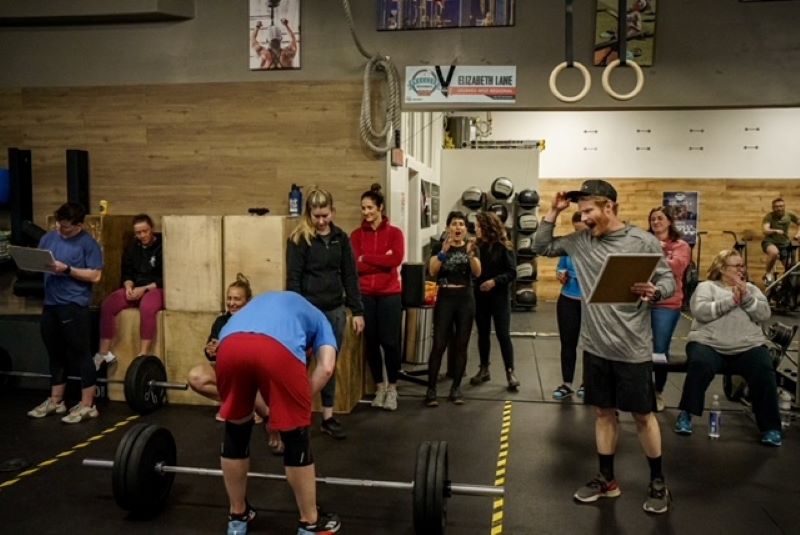
- Classes with others who are supportive and want you to succeed is energizing and motivating.
- Getting strong doesn’t happen overnight, but you will likely start to feel better immediately as your sleep, energy, and mood improve.